 Chicago
 Wheaton
Blog


 There is a very good reason that every defendant is considered innocent until proven guilty - some of them are indeed genuinely innocent of the crime they are accused of. Getting arrested and charged is going to be unpleasant no matter what, but winding up in handcuffs over something you did not do can be downright traumatic. Getting accused of something you flat-out did not do is a horrible feeling. Actually facing criminal prosecution for a crime you are not guilty of is terrifying.
If you have found yourself in this situation, it is important that you secure strong legal representation. Do not count on the situation to sort itself out. People can and do get wrongfully convicted and imprisoned.
Mistaken arrests can happen for a variety of reasons. A strong defense is necessary, even if you did not commit the crime. Reasons innocent people can be charged with crimes include:
 Getting arrested is not very romantic, and jail is not a pleasant place to spend Valentine’s Day. Unfortunately, crime tends to spike on Valentine’s Day - which is true of most holidays. Between Valentine’s Day and Superbowl Sunday, the local jails may be quite crowded. Some crimes are more common than others on this holiday for sweethearts. From drunk driving to domestic violence, increased alcohol consumption often plays a role in holiday arrests.
If you find yourself charged with a crime this Valentine’s Day, it is important that you take your case seriously, even if it seems like a rather minor charge. Any kind of a criminal record can get you passed over for jobs or even housing. It is important to contact an attorney as soon as you know that you have been charged with a crime.
Some crimes are more common than others on Valentine’s Day. While the day is supposed to be for happy couples to celebrate, some not-so-happy couples or singles end up celebrating in jail. Common reasons people get arrested on Valentine’s Day include:
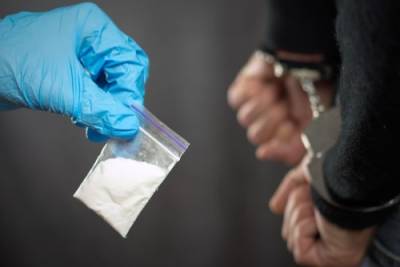 Public opinions about certain substances, like marijuana, have changed significantly in the last few decades. However, cocaine is still an illicit substance and criminal charges for cocaine possession are harsh. If you or a loved one were charged with unlawful possession of a controlled substance, reach out to a lawyer for personalized guidance on how to handle the situation.
Cocaine is considered a Schedule 1 controlled substance in Illinois. Schedule 1 drugs have a high potential for abuse and no accepted medical purpose. Consequently, possession of cocaine is considered a serious criminal offense. If you are caught with cocaine in your possession or in your property, you face felony charges. The severity of the charge depends on the amount of cocaine allegedly in your possession. Under Illinois law, possession of cocaine is a Class 1 felony offense. If you are convicted of cocaine possession, you could face many years in prison.
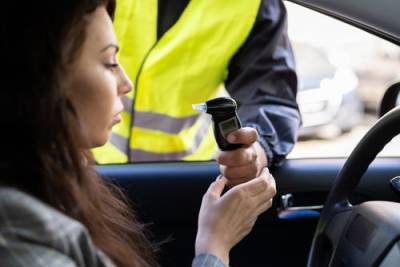 There are two main chemical tests used to determine a person’s blood alcohol content (BAC). The first is a breath test, often called a breathalyzer, that determines blood alcohol based on the amount of alcohol on the test taker’s breath. The second is a blood test that directly determines the amount of alcohol in the subject’s blood. However, these tests are not infallible. False positives and inaccurate results can be caused by human error, improper storage, defective devices, and several other issues. If you or a loved one are facing charges for driving under the influence (DUI), do not lose hope. You or your loved one may still be able to avoid conviction by discrediting the results of chemical BAC tests.
If you have even been pulled over on suspicion of drunk driving, you are probably familiar with the portable breathalyzer tests carried by police officers. These preliminary tests are used to create probable cause for a DUI arrest. However, the results of the preliminary breathalyzer are not admissible as evidence against the defendant in DUI proceedings. Typically, once an alleged drunk driver is taken to the police station, he or she is required to complete a second breath test on a device with greater accuracy. The results of this evidentiary breath test may be used as evidence in court. However, both evidentiary tests and preliminary tests can be unreliable.
 According to the World Health Organization, alcohol is more closely associated with aggressive behavior than any other drug. Unfortunately, this makes bar fights a common occurrence in DuPage County and throughout the state. Police are often called to the scene when a bar fight results in serious injury. In the chaotic aftermath of a fight, police may not immediately know which parties are the aggressors and which are the victims. If you were arrested after a bar fight, you may be facing charges for assault or aggravated assault. These offenses are punishable by significant criminal consequences, including imprisonment so it is important to take action right away.
In Illinois, assault is a Class C misdemeanor offense. It is punishable by up to 30 days in jail and a maximum $1,500 fine. If the defendant allegedly threatened to use or used a firearm, or if the offense was directed at certain protected persons, the charge may be elevated to aggravated assault. Aggravated assault charges vary, but someone convicted of aggravated assault in Illinois may face up to several years in prison. Therefore, it is important to do whatever you can to avoid conviction.
 Among the many misconceptions about law enforcement is the belief that police cannot lie to criminal suspects. Some people believe that police have to identify themselves as law enforcement or cannot use falsities to obtain information or confessions. This is not true. Police can and do lie to suspects in order to gather information about suspected criminal activity. However, a new law in Illinois will soon change this for minors accused of crimes.
The American justice system has long acknowledged that children and teenagers do not have the same level of understanding and awareness as adults. Juvenile criminal justice is typically focused on rehabilitating offenders rather than punishing them. However, until recently, police could use the same deceptive interrogation tactics on minors as they could adults. For example, police could claim to have proof of the suspect’s presence at a crime scene even if no such proof existed. They could also claim that witnesses had identified the suspect even if there were no witnesses making such a claim. As of January 1, 2022, these types of police tactics are prohibited in any police interrogation involving a minor.
 In Illinois, several different traffic violations and criminal offenses can lead to driver’s license suspension or revocation. One of the most common causes of driver’s license suspension or revocation is driving under the influence of alcohol (DUI). Losing your ability to drive can make it difficult or nearly impossible to get to and from work, attend appointments, and fulfill other important responsibilities. Fortunately, Illinois has programs in place for individuals who need to regain driving privileges after a DUI.
Once your driver’s license has been suspended or revoked, it becomes illegal to drive. Driving on a suspended or revoked license is a criminal offense punishable by fines and jail time. If you lost your license after a DUI, you may be able to regain your driving privileges through a restricted driving permit (RDP).
 Robbery involves theft with the use or threat of physical force. Illinois takes violent crimes very seriously, and robbery is considered a felony offense. Punishable by years or even decades in prison, it is one of the most harshly penalized crimes in Illinois law. If you or a loved one were accused of robbery or armed robbery, seek guidance from an experienced attorney as soon as possible. Your lawyer will help you build a strong legal strategy and represent you throughout the criminal proceedings.
Being convicted of a felony offense will have a dramatic impact on the rest of your life. In addition to significant jail time, you may struggle to find adequate employment and housing for years after your prison sentence has ended. Building a strong defense is crucial to protecting your future.

When a person is arrested and charged with a crime in Illinois, there are a number of steps in the criminal justice process between that arrest and the resolution of the case. One of the first steps after an arrest is arraignment. The outcome of that arraignment can actually set the tone for the way the rest of the process will go. If you have been charged with a crime, it is important to have a skilled Chicago defense attorney representing you during the entire process.
An arraignment is a hearing held in a courtroom with a presiding judge. The person who has been arrested is now considered the “defendant.” The defendant will be called in front of the judge, who will formally read the charges the defendant has been arrested for. The judge will then ask the defendant to enter his or her plea.

A 58-year-old Illinois woman who has been charged with two counts of aggravated driving under the influence is not only facing the loss of her license and potential loss of freedom – she is also facing the loss of her vehicle via a civil forfeiture complaint. While many people are aware of police seizing the assets of people convicted of drug dealing and other illegal activities, is seizing the vehicle of a person who is accused of drunk driving legal under Illinois law?
According to information released by law enforcement, on the night of September 14, a police officer noticed a vehicle take a right-hand turn, however, the driver failed to use their turn signal. The officer pulled the vehicle over. As he explained to the driver why he had stopped her, he noticed she had an open bottle of alcohol near her leg that she attempted to hide when the officer questioned her about it.
 A lawyer’s time and advice are his stock and trade.

 28371 Davis Parkway, Suite 103, Warrenville, IL 60555
 (630) 657-5052
 (888) 350-9195
1776 S. Naperville Road, Building A, Suite 105, Wheaton, IL 60189(630) 580-6373(888) 350-9195
321 N. Clark Street, Suite 900, Chicago, IL 60654(312) 985-5676(888) 350-9195
58 N. Chicago Street, Suite 102,(815) 582-4901(888) 350-9195
(888) 350-9195
1776 S. Naperville Road, Building A, Suite 105, Wheaton, IL 60189(630) 580-6373(888) 350-9195
321 N. Clark Street, Suite 900, Chicago, IL 60654(312) 985-5676(888) 350-9195
58 N. Chicago Street, Suite 102,(815) 582-4901(888) 350-9195



